St. Germans
OS Grid Ref:- SX3557
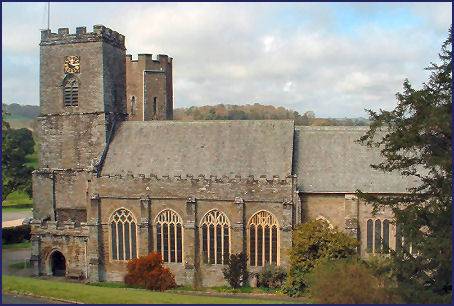 The pleasant and picturesque village of St. Germans lies on the River Tiddy, part of the Lynher River and is famous for its magnificent Norman church of St. Germans from which the village derives its name.
The village, which offers pleasant riverside walks, is mentioned in the Domesday Book of 1086. It then consisted of 24 hides and was in the ownership of the Church, half belonging to the Canons and half to the Bishop. The village contains some interesting sixteenth century almshouses. St. Germans officially became a market town in about 1600, by the nineteenth century it existed as a busy fishing village.
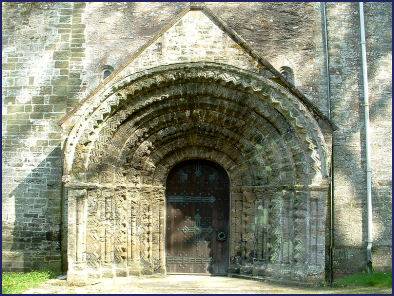
St. Germans Church, founded in Norman times, occupies the site of a former Saxon Cathedral and contains a host of interesting features, including its beautiful great Norman doorway.
Port Elliot House is the family home of the present Earl of St Germans but has been inhabited since around the fifth century. The house which is a Grade I Listed Building is home to a collection of paintings, including a number by Joshua Reynolds. It also boasts a superb Tudor gateway. The house was partially remodelled by Sir John Soane and the romantic landscape, designed by Humphrey Repton, stretches down to the estuary of the River Lynher.
St Germans Priory
St. Germans Priory Church, dedicated to St Germanus, a fourth to fifth century bishop of Auxerre, became Cornwall's Cathedral in 926, when Conan was created the first Cornish bishop by the Saxon King Athelstan. The present church, which was erected between 1160 and 1170, occupies the site of the Saxon Cathedral.
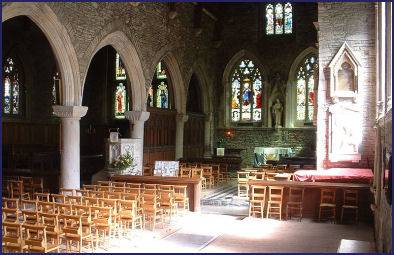
Many of the building's Norman features survive to the present day, the West Front between the two towers has a great Norman doorway built of stone from the Tartan Down quarries at Landrake four miles away, which once belonged to the Priory. There are windows dating from the Norman building and the late medieval period.
The chapel dedicated to St Germanus, which contained the relics of the saint, sustained much damage by Elizabethan reformers. The carvings of the noches, shrine and sedilla were desecrated.A large monument to Edward Eliot was similarly damaged and has now been moved to the north tower. The Statue of St Anthony of Padua, a sixteenth century wooden effigy of the saint in his Franciscan robes, positioned at the west end of the church, was once housed at Port Eliot and is reputed to have originally belonged to the Priory.
A monastery grew up beside the church, which survived until the Reformation under Henry VIII, the Prior and the Canons left in 1539 with the Dissolution of the Monastries. The building then became a private house owned by the Eliot family, who still own the house. A number of Eliot family members are interred inside the church.
Nearby Dupath Holy Well the largest and most impressive Well House in Cornwall, probably dates from 1510 and was built by the Augustinian canons of the priory.